
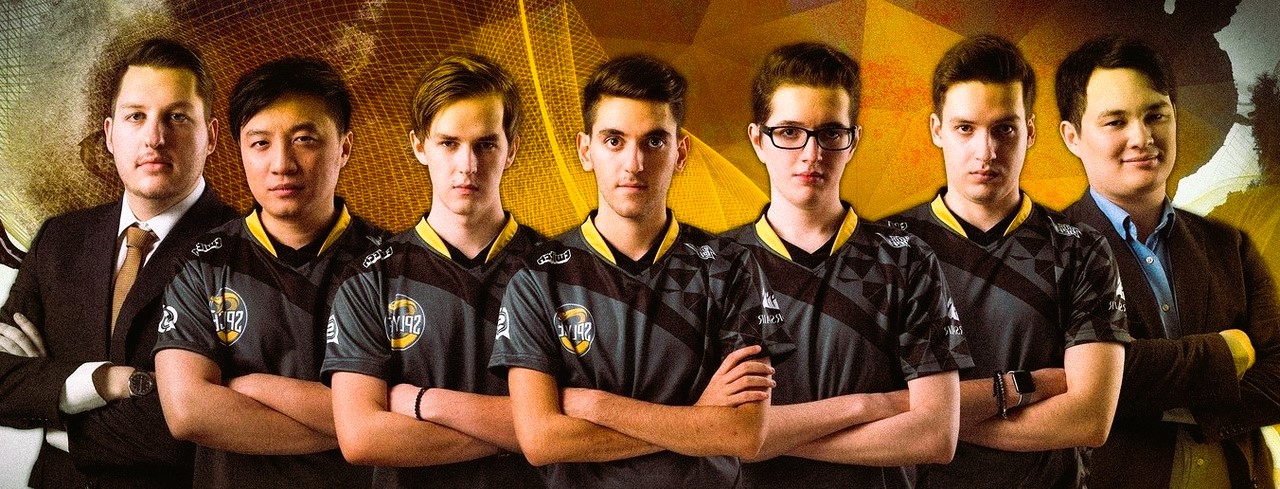
Building a successful esports team is no easy feat, but with the right approach, dedication, and strategy, you can create a squad that thrives in the competitive gaming scene. Esports has grown exponentially over the past decade, and establishing a top-tier team can be both rewarding and challenging. Whether you’re interested in competitive titles like League of Legends, Counter-Strike: Global Offensive, or Overwatch, the process of creating and maintaining a successful team involves more than just recruiting skilled players. It requires thoughtful planning, team chemistry, management, and a winning mindset.
In this article, we’ll explore the essential steps to building a successful esports team that can compete at the highest levels. From assembling your roster to optimizing team dynamics and seeking sponsorship, we’ll cover everything you need to know.
1. Define Your Team’s Vision and Goals
Before you start recruiting players, it’s essential to establish your team’s vision and long-term goals. Ask yourself questions like:
- What is the primary focus of your esports team? Is it to dominate a specific game or compete in multiple titles?
- Do you want to focus on amateur leagues or aim for professional esports tournaments?
- What are your expectations for growth, both short-term and long-term?
Having a clear vision and set goals will not only guide your recruitment process but will also help align your team’s efforts towards common objectives.
2. Recruit the Right Players
Building a successful esports team begins with the right players. While individual skill is essential, a team’s success is often determined by how well members work together and communicate. Here’s how to go about it:
- Look for Dedicated Players: Players who are committed to improving and competing regularly will bring much-needed consistency to the team.
- Focus on Team Chemistry: It’s not just about finding the most skilled players; it’s about finding individuals who work well together. Team synergy is crucial for competitive success.
- Evaluate Playstyles and Roles: Each player should have a defined role (e.g., support, damage dealer, etc.). Make sure players’ roles complement each other and fit within the team’s overall strategy.
You can recruit players through online platforms, social media, and competitive gaming communities. Also, consider hosting tryouts to identify the most suitable individuals for your team.
3. Develop a Structured Practice Routine

Once you’ve assembled your team, you need to create a structured practice routine. Consistency in practice is one of the most important factors in team development. Here’s what to focus on:
- Regular Training Sessions: Schedule regular practice sessions to build team coordination and refine strategies. You should practice team-based strategies, communication, and individual skills.
- Analyze Past Matches: Regularly review match replays and analyze areas for improvement. This allows your team to identify mistakes and adjust accordingly.
- Focus on Specific Areas: Work on weak points, whether it’s improving map awareness, communication, or perfecting team coordination.
Having a structured training regimen is essential for player growth and team development. Did you like the article? Read about The Psychology of Winning in Games.
4. Foster Strong Communication
Communication is the backbone of a successful esports team. Whether you’re playing a multiplayer online battle arena (MOBA) game or a first-person shooter (FPS), the ability to communicate effectively can make or break a match. Here are some tips to improve communication within your team:
- Use Voice Chat Effectively: Voice communication is essential for quick decision-making. Ensure everyone is on the same page during a match.
- Develop Team Callouts: Establish specific callouts, signals, and commands for in-game strategies, which can reduce confusion and speed up execution.
- Encourage Open Communication: Foster an environment where all players feel comfortable sharing ideas, strategies, and constructive feedback.
Effective communication can improve decision-making and build trust within the team.
5. Create a Positive Team Culture
Team culture plays a significant role in an esports team’s success. Players should support one another, offer constructive criticism, and maintain a positive mindset. Building a healthy team culture involves:
- Respecting One Another: Respect within the team is crucial for long-term success. Encourage healthy competition and mutual support.
- Promoting a Growth Mindset: Players should be focused on continuous improvement, learning from both victories and defeats.
- Organizing Team-Building Activities: Consider hosting team-building exercises outside of gaming to strengthen relationships and trust among players.
A strong and positive team culture will contribute to a more enjoyable and productive environment for everyone.
6. Invest in Team Branding and Marketing
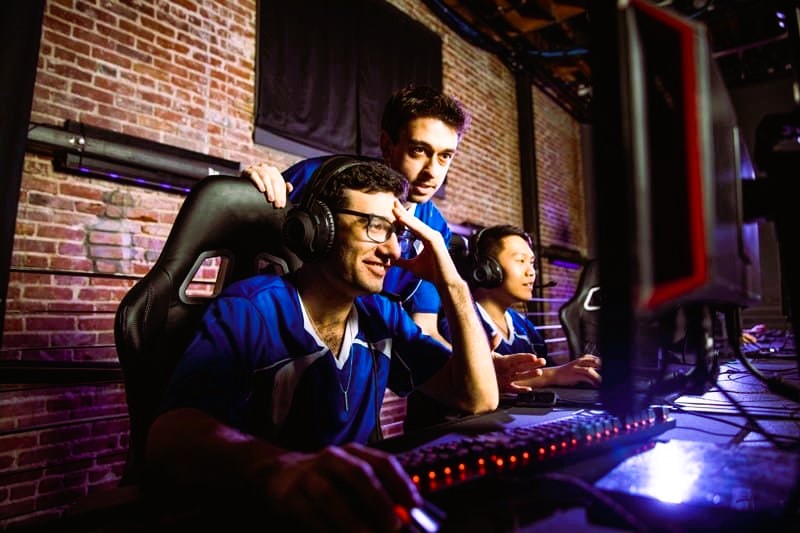
To stand out in the competitive esports world, your team needs to have a recognizable brand. This includes designing a unique logo, establishing a social media presence, and creating content that engages your audience. Here’s how to get started:
- Create a Team Logo and Identity: Develop a memorable logo and visual identity that reflects your team’s values and goals.
- Engage on Social Media: Use platforms like Twitter, Instagram, and YouTube to share team updates, highlight reels, and behind-the-scenes content. Building a fanbase can increase sponsorship opportunities and exposure.
- Collaborate with Influencers and Content Creators: Partnering with influencers in the gaming community can help your team gain visibility and attract more fans.
A solid online presence and brand identity will help attract sponsors, fans, and potential players.
7. Seek Sponsorship and Partnerships
One of the key aspects of building a successful esports team is securing sponsorships and partnerships. These partnerships can provide the financial backing necessary for travel expenses, equipment, and more. Here’s how to approach sponsorship:
- Reach Out to Potential Sponsors: Start by identifying potential sponsors that align with your team’s values and target audience. Consider gaming-related brands, tech companies, and lifestyle brands.
- Create a Sponsorship Proposal: Develop a professional proposal that highlights your team’s achievements, goals, and marketing potential.
- Leverage Your Social Media: Sponsors often look for teams with a strong following on social media. Show them how your team can provide value to their brand.
Securing sponsorships will help you cover operational costs and support your team’s growth.
Building a successful esports team requires careful planning, dedication, and the right mindset. By recruiting the right players, fostering communication, and creating a positive team culture, you can set the foundation for success. Add structured training, team branding, and sponsorship into the mix, and you’ll have a team that is ready to compete at the highest levels. Keep pushing forward, stay disciplined, and always strive to improve — that’s the key to becoming a top esports team.
Learn more about esports teams on Fandom